Technology
Fraunhofer IPMS unveils ultra-dense, energy-saving RGBW OLED microdisplay
Fraunhofer IPMS unveiled a full-color RGBW OLED microdisplay built on a 28 nm CMOS process with 2.52 × 2.52 µm² subpixels and up to 5040 PPI, combining frame-based and memory-based driving to cut power use for near-eye applications.
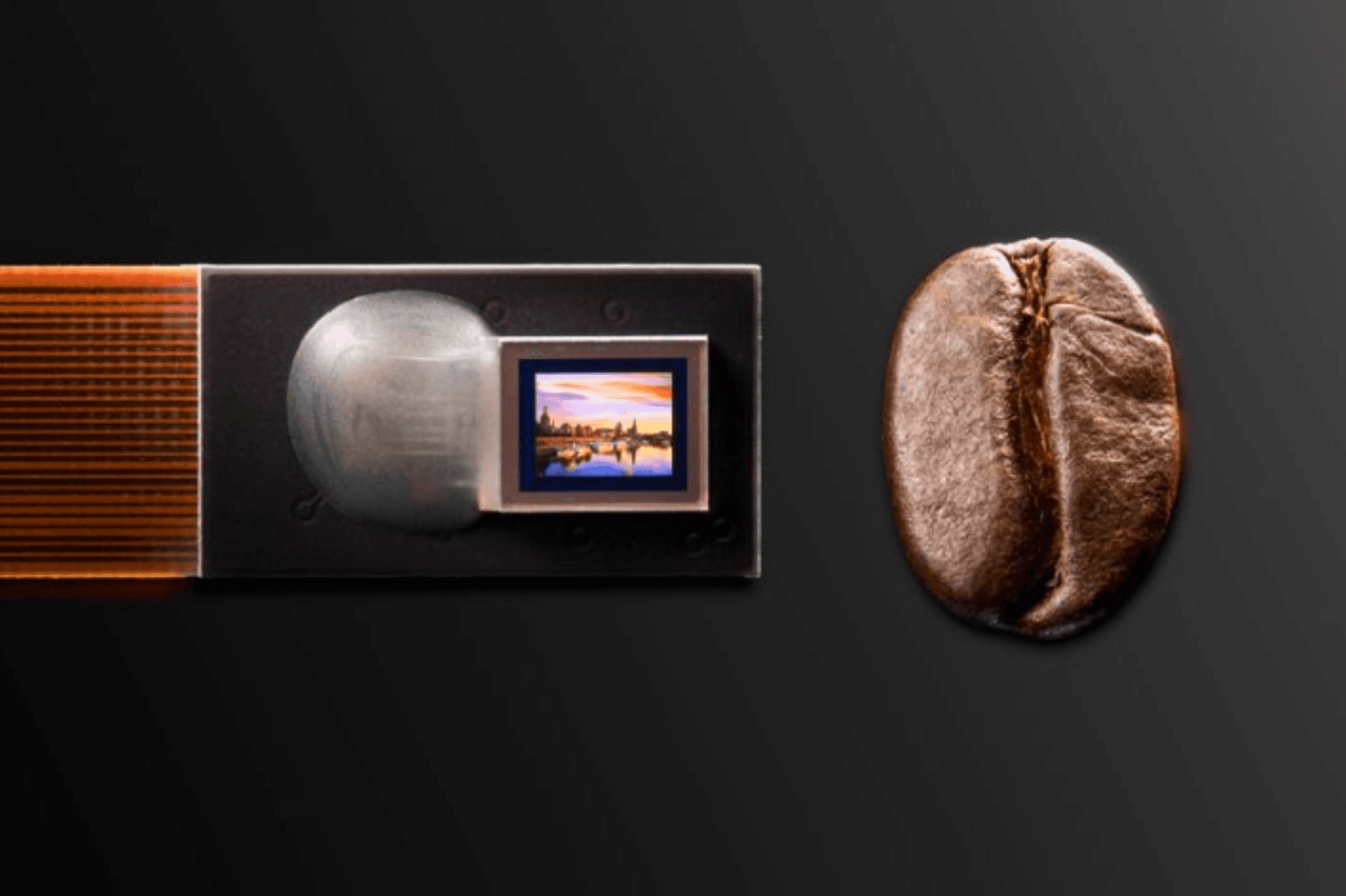
Most of us want sharper screens that don’t drain a battery faster than we can charge it. Fraunhofer IPMS says it has developed a display that aims to do both.
The work was done by scientists at the Fraunhofer Institute for Photonic Microsystems IPMS and announced in a press release dated September 2026. The new device will be shown at Eurodisplay 2026, held September 22 to 24, 2026, in Dublin, Ireland.
What they made and where they'll show it
The team built a full-color RGBW microdisplay on a 28 nm CMOS process. The announcement describes the display as designed for near-to-eye visualization and projection, and as suitable for augmented reality, virtual reality and mixed-reality glasses, as well as portable devices that need high image quality in a small package.
How the display works
The display uses a flexible backplane architecture that combines two driving concepts. One is frame-based driving for continuous updates such as video. The other is memory-based driving for displaying static content in a more energy-efficient way.
A built-in White Calculation Block in the backplane computes a white subpixel from standard RGB image data, creating the RGBW pixels without changing incoming image files. The press release highlights an extremely small subpixel size of 2.52 × 2.52 µm², which enables pixel densities reported at up to 5040 PPI.
Key claims and features
The announcement lists several main advantages:
- ultra-high resolution enabled by the tiny subpixels,
- lower power consumption through the combination of RGBW and memory-based driving,
- flexible driving modes allowing both rapid video playback and energy-efficient static images.
“Compared to conventional microdisplays, the new solution offers significantly lower power consumption, and ultra-high resolution. The flexible driving modes allow both rapid video playback and extremely energy-efficient display of static images, making the displays ideal for battery-powered, lightweight devices with extended runtime,” explains Philipp Wartenberg, Head of Department IC & System Design at Fraunhofer IPMS.
Limitations
This text is a press release describing a developed microdisplay and its technical design. The announcement does not present independent verification, user trials, or long-term product deployment data.
Support and services
Fraunhofer IPMS says it can adapt display parameters and interfaces to customer needs and offers technology consulting, evaluation kits and pilot production. The project work received funding support through programs including the RUBIN EdgeVision project and a backplane funding reference from the Sächsisches Staatsministerium (reference 100392259).
What’s next
Fraunhofer IPMS will present the microdisplay at Eurodisplay 2026 and continue to offer development and pilot production support for potential customers and partners.