Research
LED Light Testing: The Path to Zero Defects
The LED lighting industry has entered a new phase. LED modules are evolving into high-density LED architectures, characterized by extreme miniaturization and the integration of semiconductor technologies to support IoT connectivity, DALI-2 protocols, and smart sensing.
LED professional
26th, May 2026
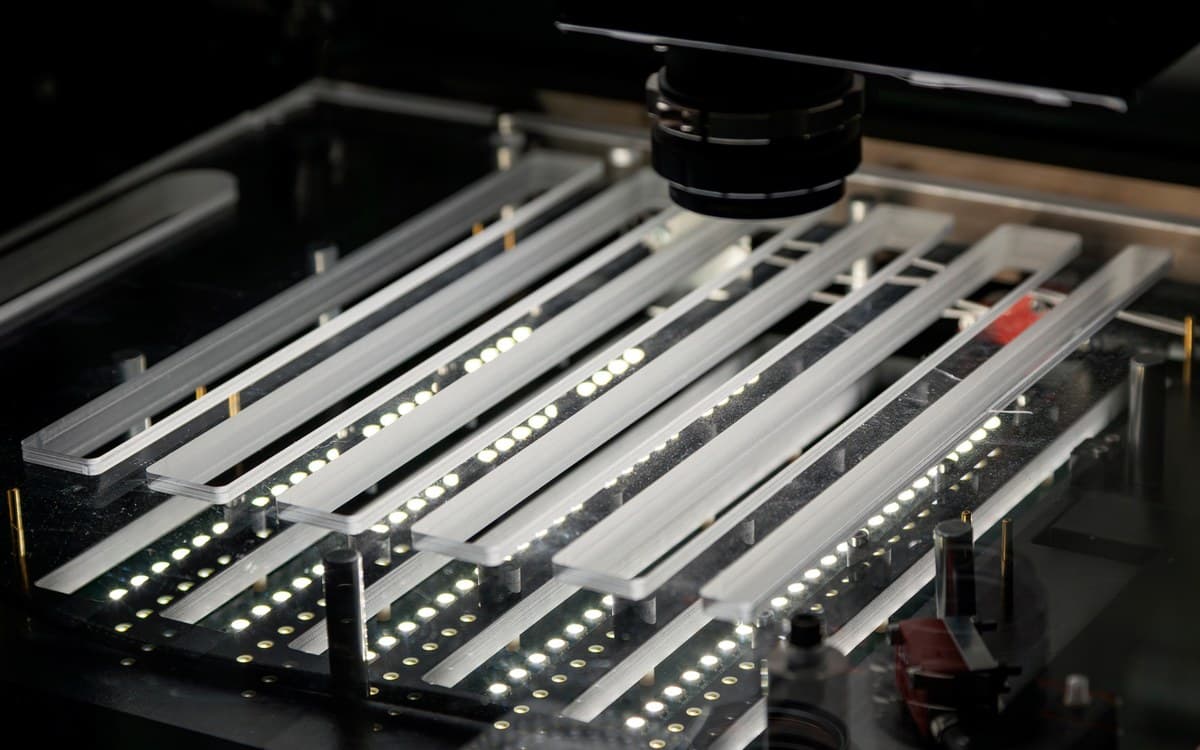
In this environment, where success is defined by the ability to deliver these innovations at a massive global scale, manufacturers can no longer rely on product features alone to stand out. Manufacturers must now prove they can maintain high quality standards across millions of units with total control on risks, including:
● The Cost of Rework. Success in high-volume markets depends on early-stage defects detection. Following the “Rule of Tens”, a $1 error at the semiconductor level escalates to $100 or more by the time it reaches a finished luminaire. When producing at scale, these undetected errors lead to massive scrap piles and complex rework cycles, stalling production velocity and jeopardizing total project margins.
● Brand Integrity. As smart lighting becomes increasingly commoditized, reliability remains one of the few meaningful differentiators. A high-profile recall caused by flickering or color shifting can permanently damage a manufacturer’s reputation and weaken its position with Tier-1 customers.
These pressures leave no room for doubt: LED products manufacturers must detect defects before batches leave the factory.
Secure your supply chain with zero-defect validation. Talk to an LED Testing Expert Today...
Core Failure Modes in Modern LED Light Systems
Developing a robust defect detection strategy requires a precise mapping of the vulnerabilities inherent in LEDs. This raises a critical question for the production floor: which failure modes pose the greatest threat to the reliability and performance of modern LED light systems?
The reliability of a LED luminaire hinges on the interdependence of critical domains, such as: high-fidelity optical output, efficient thermal dissipation, precise electrical regulation, and the functional logic of the semiconductor controllers.
Because these domains are interdependent, a single unresolved defect triggers a cascade of performance inconsistencies across the entire LED light system. For manufacturers operating in high-volume environments, the primary failure modes driving significant concern include:
● Optical Inconsistencies. Beyond lumen output, modern LEDs can experience color and spectral drift. Variations in Correlated Color Temperature (CCT) and Color Rendering Index (CRI) over time can cause visible shifts that reduce visual comfort, especially in large LED module installations. Irregular light distribution can also create dark spots and hotspots that compromise safety and prevent the luminaire from meeting photometric uniformity requirements.
● Electrical Instability. The reliability of an LED light system depends on the integrity of the electromechanical interface with the PCBA. Poor bonding or soldering increases thermal resistance, raising operating temperatures and reducing brightness. Furthermore, inadequate current regulation from the driver is also a major cause of flicker, as defined by IEEE 1789 standards.
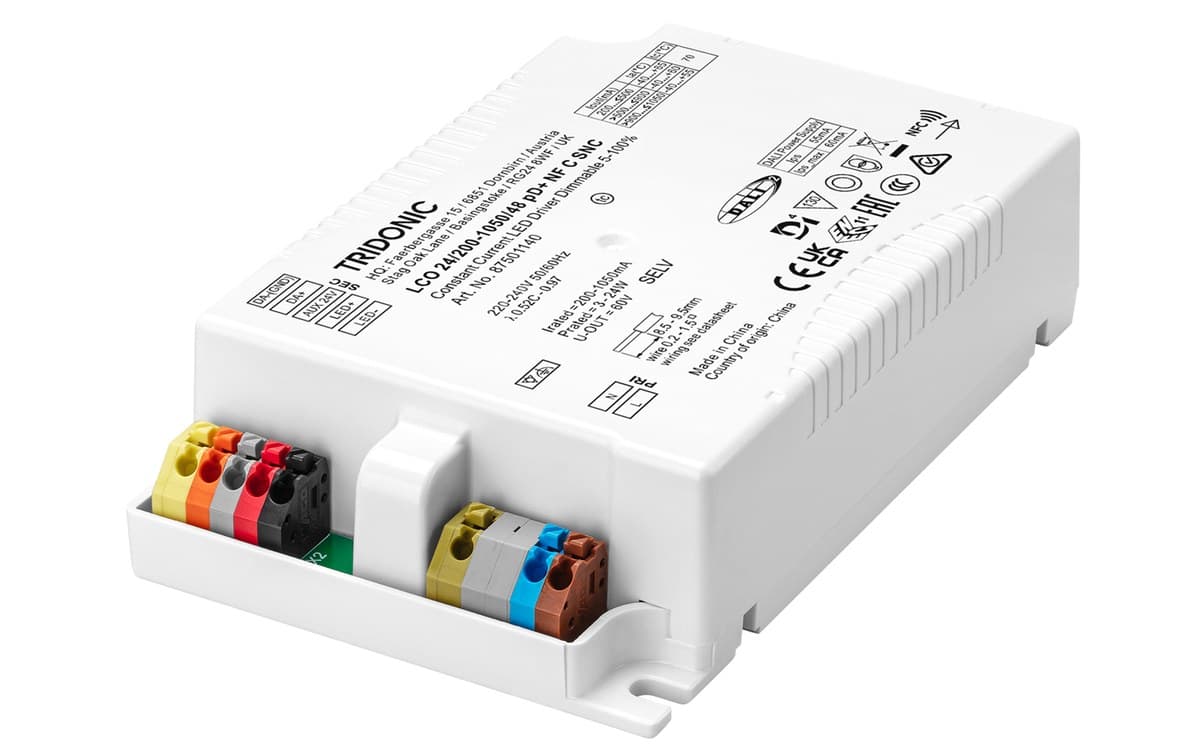
● LED Driver Performance Gaps. The heart of an LED light system is the LED driver. Instability in switching frequency, jitter, or signal integrity can lead to premature fatigue, reduced efficiency, and EMI non-compliance.
Hat dir der Artikel gefallen?