Lighting Technologies
Fagerhult is Switching LEDs to Reduce its Climate Impact
Fagerhult is implementing a major change with the aim of reducing the climate impact of its luminaires. By switching to the latest LED technology, Fagerhult is able to reduce annual emissions by 2,250 tonnes CO₂e from the products it sells. “A small change in each luminaire that has a huge overall i
LED professional
7th, May 2026
The decision to replace the LED technology in the luminaires is a strategic one and has been made at management level. In practice, this means that the majority of Fagerhult’s Indoor range will be equipped with new LEDs featuring the latest generation of Flip Chip technology. This change will improve efficiency and reduce energy consumption by 5–10 percent, depending on the luminaire model.
“Successful sustainability efforts entail focusing on the right things. In all, 85 percent of Fagerhult’s total climate impact across the entire value chain – Scopes 1–3, in other words – comes from the energy consumption associated with the use of our products. If we can improve efficiency and reduce electricity consumption from a significant portion of our product range, this will have a major impact,” says Niclas Thulin.
“It’s always difficult to predict exactly how much a change will save, since there are many factors at play. But by using data from 2025 – how many luminaires we sold and to which markets – and assuming that they are used for an average of 50,000 hours without lighting control, we estimate potential savings of approximately 2,250 tonnes of CO₂e each year*.”
That is basically an entire forest:
“That’s roughly equivalent to the amount of carbon dioxide absorbed by 90,000 trees in a year**. As a result, this change could have a significant impact on both our own and our customers’ environmental efforts.”
The change also offers other sustainability benefits. The operating time of the luminaires is doubled from 50,000 hours to 100,000 hours. In the long run, this will entail a reduction in the consumption of resources such as raw materials and other materials. It will also provide financial benefits for our customers, who can make a secure and profitable investment in energy-efficient lighting with a longer working life. With this new technology, all luminaires will also have a Constant Light Output, providing stable, high-quality light throughout the luminaire’s working life. Put simply, good lighting ergonomics at work.
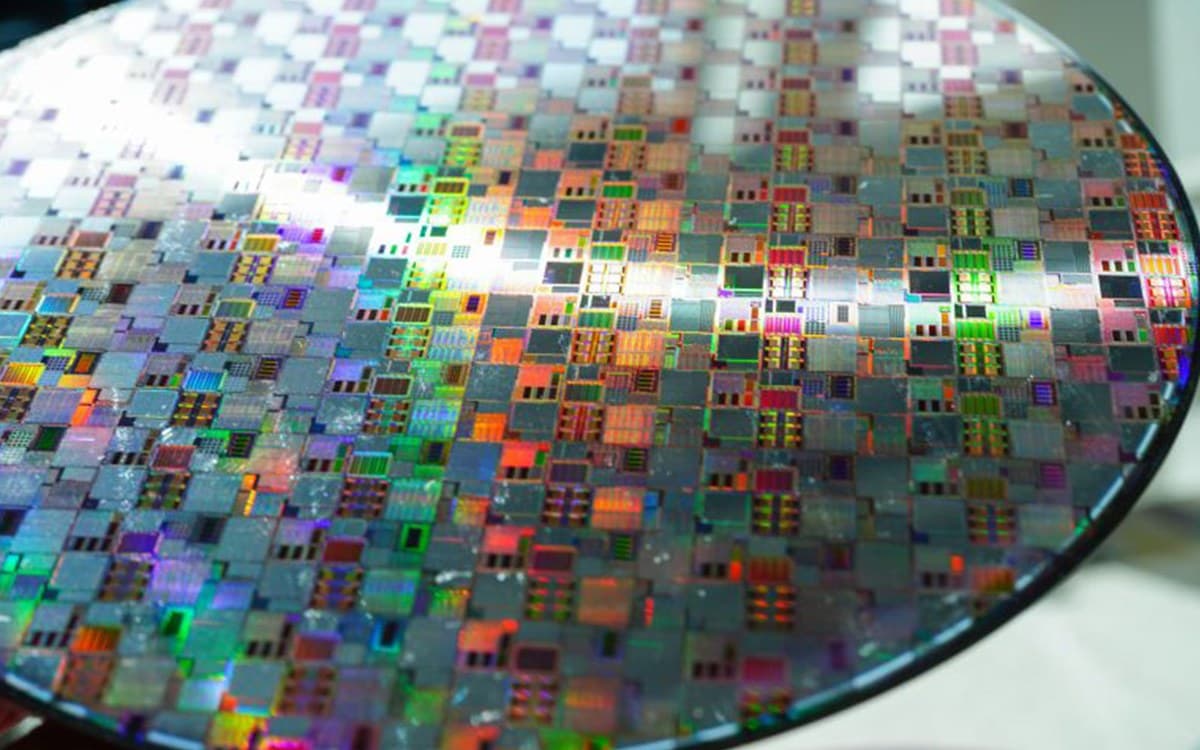
A small change that produces big results – what exactly makes the difference from a technical standpoint?“Our approach involves replacing standard LEDs with the latest generation of Flip Chip technology. In simple terms, Flip Chip has a more advanced design in which electrodes and other contact surfaces are positioned in such a way that they do not block or affect the light output. Flip Chip LEDs are simply more energy-efficient and robust,” explains Niclas Thulin.Luminaire models that already feature this type of LED will be upgraded to the latest generation of Flip Chip, as will all models that were previously equipped with standard LEDs.
The cost of the upgrade will not be passed on to customers in the form of more expensive luminaires but will be financed through the logistical benefits that the change will bring.
“Larger purchase volumes and fewer item numbers mean we can offer these added benefits. Improved energy efficiency, a longer working life and better light quality, lower energy consumption and, above all, a significant contribution to the climate,” says Niclas Thulin.“Here at Fagerhult, we are committed to fulfilling our social responsibility and offering solutions that can address both climate change and the challenges associated with future electricity supplies. In our opinion, our customers shouldn’t have to choose between affordability and sustainability when it’s possible to have both. It's a win-win for everyone.”* Emission factors by country, based primarily on data from the Association of Issuing Bodies (AIB).** Based on average carbon dioxide absorption according to Ecotree.
TEXT AMELIE BERGMAN, PHOTO DENNIS BOIJ
Hat dir der Artikel gefallen?